

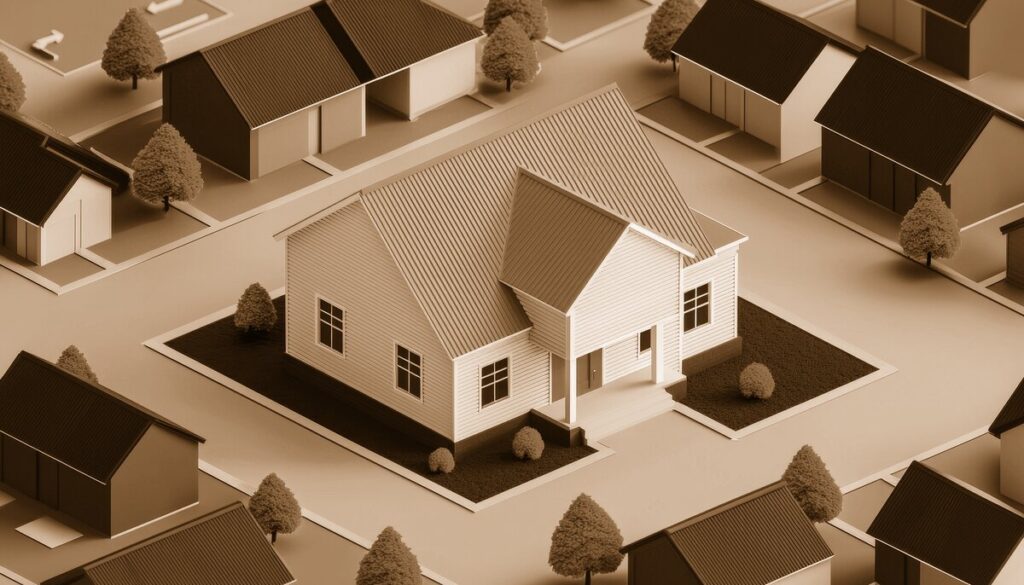
The Seeds of Bradford Park: Humble Beginnings
Nestled in the heart of Harrisburg, NC, Bradford Park tells a story that stretches back decades, weaving together the threads of southern tradition, innovation, and close-knit camaraderie. Its tree-lined streets and family-friendly scenes often spark curiosity—how did this neighborhood get its start, and what stories do its avenues and homes hold?
The land that would become Bradford Park was once part of sprawling farmlands, reflecting Harrisburg’s longstanding roots in agriculture. In the early 1990s, as Harrisburg began to feel the ripple effects of Charlotte’s growth, local developers recognized the prime potential of this serene pocket bordered by Robinson Church Road and Tom Query Road. The vision was to create a neighborhood that blended the warmth of southern living with modern comforts—a haven for families seeking a peaceful respite but with access to the vibrant city energy just a short drive away.
Naming Bradford Park: A Nod to Heritage
One of the enduring questions for new residents is—how did Bradford Park get its name? According to community lore and local records, the neighborhood pays homage to the Bradford pear trees that once dotted the surrounding fields. These iconic trees, with their snow-white spring blossoms, have long been a symbol of renewal in North Carolina. The developers chose “Bradford” to root the neighborhood in this natural heritage, and “Park” to highlight the shared green spaces meant for neighborly gatherings and play.
Growing Roots: Neighborhood Development and Key Milestones
Bradford Park’s initial phase began in the early 1990s, with neatly planned cul-de-sacs like Bellshire Lane, Arborwood Drive, and Highland Ridge Road quickly filling with homes designed in charming, traditional styles. The founders placed an early emphasis on building not just houses, but a genuine sense of community. The creation of the Bradford Park Homeowners Association (HOA) was a cornerstone, helping to organize annual block parties, holiday parades, and community yard sales that are beloved to this day.
Throughout the 2000s, the neighborhood saw the addition of new home phases, greenways, and the much-anticipated Bradford Park Playground on Arborwood Drive—a spot that has become the heart of the neighborhood, echoing with children’s laughter every afternoon. Residents often gather for picnics, dog walks, and impromptu soccer matches, building bonds that last for generations.
Not far from the neighborhood, the historic Harrisburg Presbyterian Church and Harris Depot—both located on Robinson Church Road—serve as reminders of the area’s deep historical roots. While not within the official bounds of Bradford Park, these landmarks are woven into the fabric of daily life and community lore.
A Neighborhood with Landmark Features
While Bradford Park does not boast famous monuments or centuries-old buildings, its most notable landmarks are those that matter most in daily life:
- Bradford Park Playground: The physical and emotional centerpiece. It's not uncommon to find the park busy with local events, kite-flying days, or weekend t-ball games.
- Walking Trails and Woods: The greenbelt trails winding through wooded areas offer residents scenic jogs and peaceful strolls. The trails connect to neighboring subdivisions, reinforcing a sense of broader community.
- Arborwood Drive and Bellshire Lane: Main thoroughfares where you’ll often see neighbors chatting under canopy oaks or children biking to a friend’s house.
The neighborhood’s careful landscaping and preservation of mature trees give it a timeless appeal that draws people looking for both beauty and continuity.
Bradford Park Through the Decades: Evolution and Endurance
The turn of the millennium brought more than just new houses. The influx of families with diverse backgrounds introduced fresh energy and volunteerism, enhancing the spirit of Bradford Park. The area’s excellent proximity to Harrisburg schools, shopping along Highway 49, and connections to Charlotte have helped ensure steady growth—without losing the small-town feel.
In the last decade, community initiatives have focused on sustainability and connectivity. The HOA led projects to add butterfly gardens and pollinator-friendly plants to common areas, encouraging local wildlife. Neighbors have organized regular cleanup days to keep streets and greenways immaculate, and “Bradford in Bloom” yard-decorating contests have become a highlight each spring.
The COVID-19 pandemic brought unique challenges, but also highlighted what makes Bradford Park special. Residents supported each other with meal trains, socially distanced scavenger hunts for kids, and porch concerts that lifted spirits during uncertain times. These moments reinforced the neighborhood’s enduring legacy: a place where folks care for one another, no matter what life brings.
The Heart of Bradford Park: What Makes it Special
Ask any longtime resident, and you’ll find the true magic of Bradford Park lies not just in its homes or amenities, but in its neighborly spirit. Kids still walk or bike to school together, and it’s not uncommon for new families to be welcomed with a home-cooked meal.
Block parties—especially the eagerly awaited summer ice cream socials—are legendary, packed with laughter and memories. During the winters, festive lights strung along Bellshire Lane and Beacon Hill Road turn the neighborhood into an enchanting wonderland, drawing visitors from around Harrisburg.
Bradford Park’s story continues to evolve, shaped by every new family that moves in and every tradition that takes root. Its careful balance of heritage and modernity, southern comfort and progress, gives the neighborhood a spirit as hearty as the Bradford pear itself—a community always in bloom.
Conclusion
Bradford Park is more than just a residential enclave in Harrisburg, NC. It’s a living tribute to thoughtful planning, shared values, and the beauty of community. Its history is echoed in every family gathering at the playground, every tree-lined stroll, and every story swapped beside a backyard grill. As Harrisburg grows, Bradford Park remains a cherished bedrock—proof that some of the richest histories are written quietly, on friendly streets, one neighbor at a time.